
Digital transformation in manufacturing refers to the integration of advanced digital technologies—such as IoT, AI/ML, cloud platforms, data analytics, automation systems, and smart sensors—into every layer of a manufacturing company’s operations.
Impact of Digital Transformation on Manufacturing
Digital transformation has a transformational impact on manufacturing operations by connecting machines, utilities, people, and processes into a unified digital ecosystem.
Some of the most significant improvements come from enhanced machine monitoring, utilities optimization, and intelligent process automation
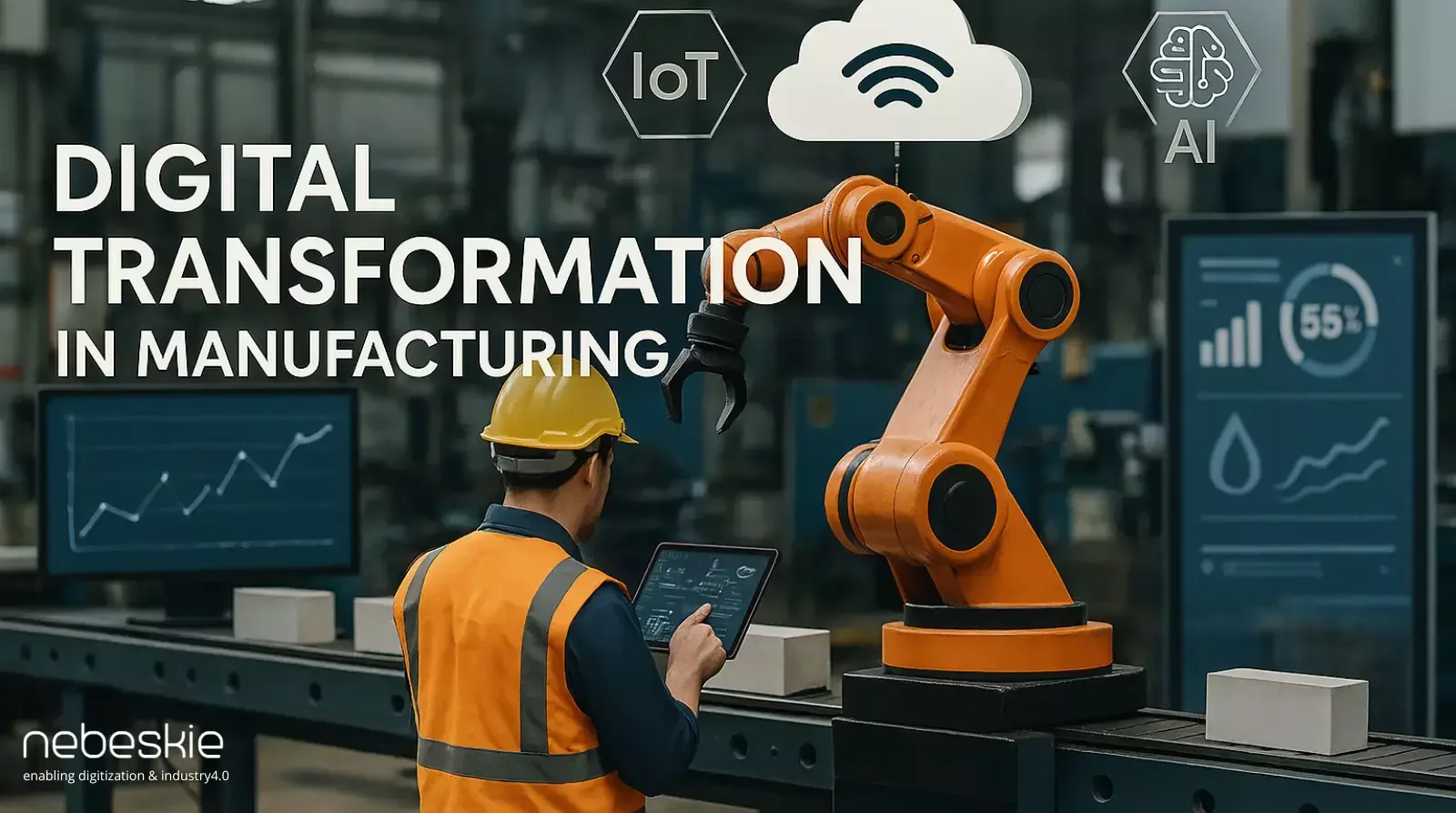
1. Real-Time Machine Monitoring for Higher Productivity
Modern IoT-enabled machine monitoring systems provide live data on equipment performance, cycle times, downtime events, and operational bottlenecks.
This leads to:
Reduced unplanned downtime through real-time alerts and predictive analytics
Improved OEE (Overall Equipment Effectiveness) with granular visibility into machine health
Faster root-cause analysis based on accurate, time-stamped machine data
Optimized scheduling and maintenance using machine condition–based triggers.
Instead of reactive or calendar-based servicing, manufacturers can now implement predictive maintenance, improving asset availability and lifespan.
2. Utilities Monitoring for Cost Reduction & Sustainability
Energy and utility consumption is a major operational cost for manufacturers.
Electricity usage per machine
Compressed air leakage
Water consumption
HVAC efficiency
Fuel and generator performance
Identify excessive or abnormal consumption
Reduce waste and optimize plant load distribution
Achieve energy savings through data-driven decisions and insights
Meet sustainability and compliance requirements with accurate reporting
3. Enhanced Operational Efficiency & Automation
Digital technologies streamline manufacturing workflows through:
Automated production lines
Digital work instructions
Integrated ERP–MES–SCADA data flow
Paperless operations
Real-time SOP tracking
4. Improved Worker Safety & Satisfaction
With digital systems handling monitoring, alerts, and repetitive tasks:
Workers face fewer risks
Operators spend less time on manual inspection
Supervisors get automated reports and dashboards
Teams collaborate more effectively with digital tools
The result is a safer, more empowered workforce with reduced physical strain and improved job satisfaction.
5. Better Decision Making and Future Market Readiness
Access to consolidated insights across production, utilities, supply chain, and maintenance helps manufacturers:
Identify new opportunities in shop floor
Launch data-driven production strategies
Stay competitive with globally aligned processes
Digital transformation ensures that manufacturers remain relevant in a rapidly changing industry landscape.
Digital Transformation Roadmap for Manufacturing(Optimized)
A successful digital transformation journey includes:
1. Identify Improvement Opportunities
Analyze current processes and OT assets, then find areas where digital tools can improve efficiency, quality, cost, or safety.
2. Build a Strategy
Define the technologies to implement (IoT, AI, cloud, MES, automation), integration approach, and execution timeline.
3. Implement the Changes
Deploy solutions, train employees, integrate systems, and upgrade infrastructure.
4. Monitor & Evaluate
Track performance with real-time dashboards and refine your strategy based on measurable outcomes.
Conclusion
Digital transformation is no longer optional—it is essential for any manufacturer aiming to enhance efficiency, reduce operational risks, and maintain a competitive edge.
By adopting technologies like machine monitoring, predictive analytics, utilities optimization, and intelligent automation, manufacturers can unlock new levels of productivity and operational excellence.